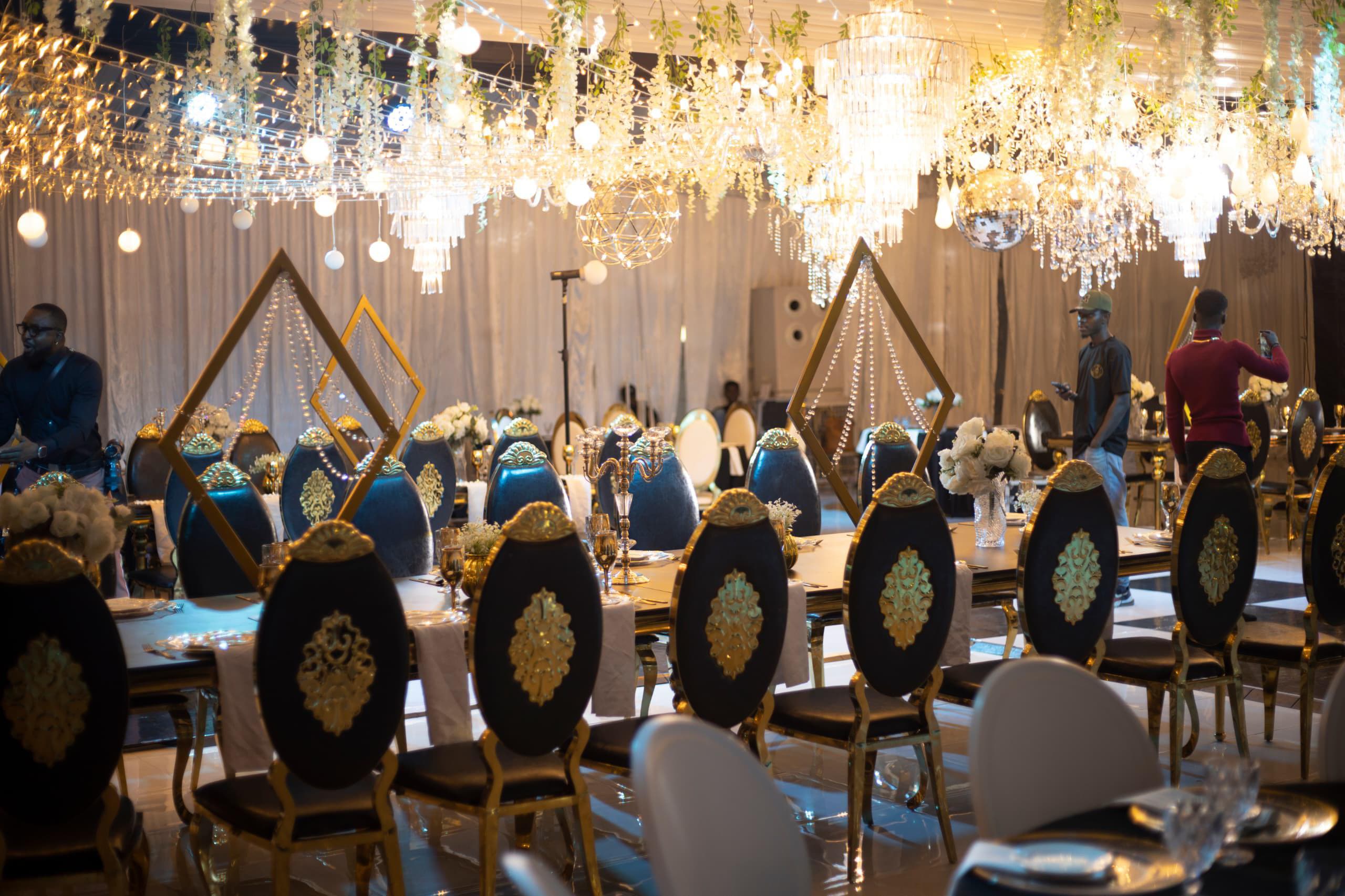
Events play a vital role in the lives of people. They mark special moments that require careful preparation, significant time, resources, and sometimes, can be very stressful to organize.
You might wonder why choosing colors, finalizing the number of guests, picking bridesmaids, hiring coordinators, selecting vendors, booking venues, choosing outfits, and deciding on food and entertainment can be so overwhelming. The truth is, planning any major life event is not only time-consuming but can also be a life-challenging task.
Weddings, birthday parties, funerals, baby christenings, and organizational events such as luncheons, conferences, and workshops are all examples of events that individuals, families, and institutions frequently engage in and often cannot avoid.
A Glimpse at Life Events
Weddings
In Ghana, weddings are significant life ceremonies, usually marked by both traditional and white wedding celebrations. These require meticulous coordination between two families, with many cultural and social expectations.
Birthday Parties, Baby Showers, and Christenings
These celebrations also require careful budgeting and planning. The theme, guest list, and event style can greatly influence how much is spent.
Funerals
Modern funerals are now elaborate affairs, seen as both a tribute and a celebration of a life well-lived. They require just as much coordination and attention to detail as celebratory events.
Corporate and Organizational Events
Corporate events demand a different kind of planning—proposal writing, sourcing sponsorship, arranging guest speakers, and coordinating logistics and participants. These events, if not carefully managed, can cost as much as a car or house down payment!
Everything—from the venue to the food, the dress code, the guest list, even the flavor of the cake—can become overwhelming. But don’t get me wrong: event planning can also be incredibly fun! From tasting various cakes to exploring outfit options and meeting new people, it can be a joyful journey.
Sometimes, people struggle to choose between something simple and something glamorous. Regardless of the style or scale, the secret to reducing stress is a well-structured event planning process—one that has a clear point of leadership and a solid system for managing every detail.
The Importance of a Planner
A lead planner or coordinator plays a critical role in making and confirming decisions. They act as the central liaison, delegating and directing responsibilities to different individuals involved in the event. This leadership not only reduces stress but also helps keep the event within budget.
Many events fail not because of a lack of resources but due to poor planning or underestimating important aspects. Even the smallest mistake can ruin what could have been a successful event.
WHAT IS EVENT PLANNING?
Event planning is much like construction—you can’t build a house without a blueprint. Similarly, no event can be successful without a detailed plan, thoughtful design, time investment, a clear budget, and access to the right resources and services.
Event Planning is the process of turning an idea into a well-organized and memorable experience. The goal is to design a structure, coordinate details, and execute them effectively to achieve a seamless event.

Key Stages of Event Planning
To ensure success, here are the essential stages of planning any event:
- Define the Goal and Purpose of the event
- Build a Strong Event Team
- Plan a Precise Budget
- Choose the Right Venue, considering environmental and logistical factors
- Develop a Strategic Publicity Plan
- Execute Flawlessly on the Day of the Event
- Measure Results and Embrace Feedback
These elements are summed up by the 5 P’s of Planning:
👉 Person, Place, Price, Product, and Promotion
How much should I budget for a simple birthday party…